
Contents
Overview
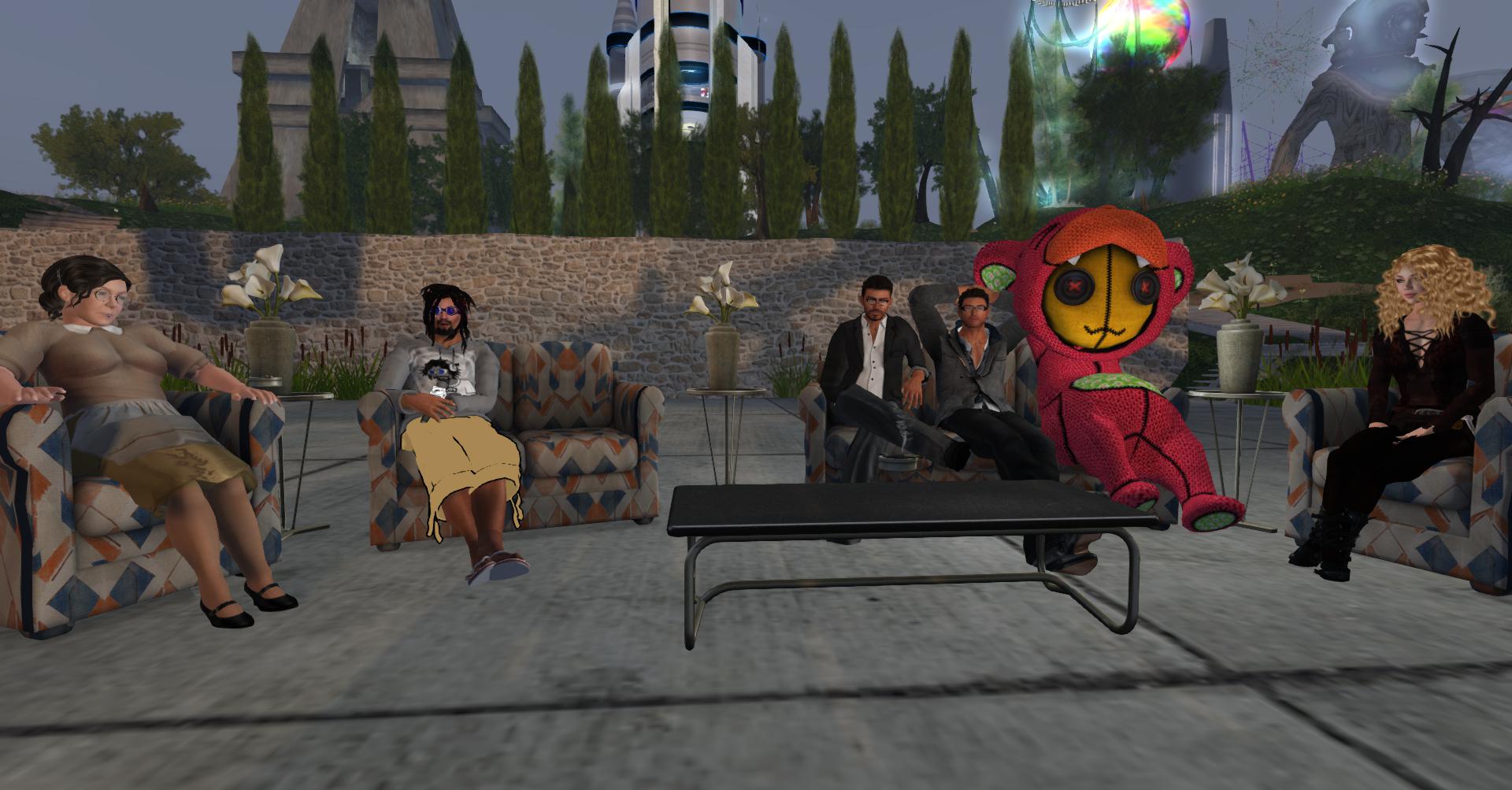
The metaverse, in the context of fine motor skills, is a virtual world where users interact with avatars, typically in a 3D display, to enhance hand-eye coordination, dexterity, and motor control. Virtual reality-based therapy sessions, such as those offered by Cleveland Clinic, have shown significant improvements in fine motor skills in individuals with neurological disorders.
📖 Definition & Core Concept
The metaverse, in the context of fine motor skills, is a virtual world where users interact with avatars, typically in a 3D display, to enhance hand-eye coordination, dexterity, and motor control.
🔬 How It Works (Mechanics)
The mechanics of the metaverse involve the use of VR and AR headsets, which provide an immersive experience for users. This technology has the potential to improve fine motor skills, and can be used in conjunction with traditional therapy methods.
📊 Key Facts, Numbers & Statistics
Virtual reality-based therapy sessions, such as those offered by Cleveland Clinic, have shown significant improvements in fine motor skills in individuals with neurological disorders.
🌍 Real-World Examples & Use Cases
Real-world examples of the metaverse in fine motor skills include virtual reality-based therapy sessions, which have shown significant improvements in fine motor skills in individuals with neurological disorders.
📈 History & Evolution
The current state of the metaverse is one of rapid development and growth, with many potential applications in fine motor skills training and rehabilitation.
⚡ Current State & Latest Developments
The metaverse has the potential to provide a safe and controlled environment for users to practice and develop their fine motor skills, without the risks associated with real-world activities.
🔮 Why It Matters & Future Outlook
Common misconceptions about the metaverse include the idea that it is only a virtual world for entertainment, when in fact, it has many practical applications in fine motor skills training and rehabilitation.
🤔 Common Misconceptions
The metaverse can be used in occupational therapy to provide customized treatment plans for individuals with fine motor skill impairments. Virtual reality-based therapy sessions can be used to improve hand-eye coordination, dexterity, and motor control.
Key Facts
- Category
- development
- Type
- concept
- Format
- what-is
Frequently Asked Questions
What is the metaverse in the context of fine motor skills?
The metaverse, in the context of fine motor skills, is a virtual world where users interact with avatars, typically in a 3D display, to enhance hand-eye coordination, dexterity, and motor control.
How does the metaverse work in fine motor skills training?
The metaverse works in fine motor skills training by providing an immersive experience for users, allowing them to interact with virtual objects and environments in a 3D display.
What are the benefits of the metaverse in fine motor skills development?
The benefits of the metaverse in fine motor skills development include improved hand-eye coordination, dexterity, and motor control, as well as enhanced cognitive abilities and social interactions.
What are the concerns and challenges associated with the metaverse in fine motor skills development?
The concerns and challenges associated with the metaverse in fine motor skills development include information privacy, user addiction, and user safety.
How can the metaverse be used in occupational therapy?
The metaverse can be used in occupational therapy to provide customized treatment plans for individuals with fine motor skill impairments. Virtual reality-based therapy sessions can be used to improve hand-eye coordination, dexterity, and motor control.
What is the future outlook of the metaverse in fine motor skills development?
The future outlook of the metaverse in fine motor skills development is uncertain, and more research is needed to fully understand its potential benefits and risks.