
Contents
Overview
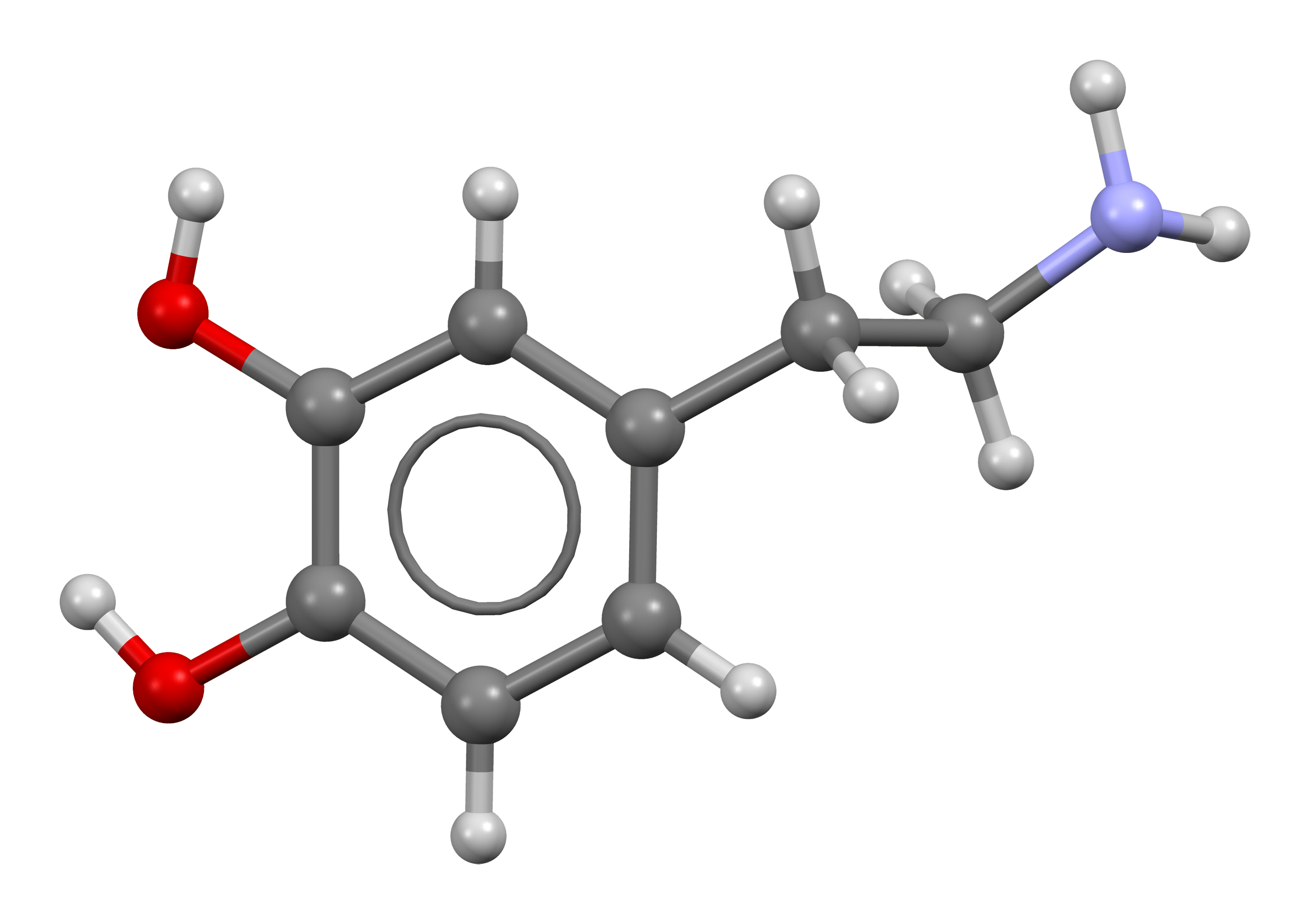
Dopamine is a complex molecule with a wide range of functions, including its role as a neurotransmitter and hormone.
🔬 How It Works (Mechanics)
The mechanics of dopamine involve its release and reuptake by neurons.
📊 Key Facts, Numbers & Statistics
Dopamine is involved in various physiological processes, including synaptic transmission and dopaminergic signaling. It is also synthesized in plants and most animals, and is involved in various physiological processes.
🌍 Real-World Examples & Use Cases
Dopamine is involved in motor control and in controlling the release of various neurotransmitters, such as serotonin and norepinephrine.
📈 History & Evolution
Dopamine's significance and future outlook include its potential as a target for the treatment of various neurological disorders.
⚡ Current State & Latest Developments
Common misconceptions about dopamine include the idea that it is solely responsible for pleasure and reward. While dopamine is involved in these processes, it is also involved in other physiological processes, such as motor control and cognition.
🔮 Why It Matters & Future Outlook
Dopamine is reportedly involved in motivation, but the exact mechanisms are not fully understood.
Key Facts
- Category
- development
- Type
- topic
- Format
- what-is
Frequently Asked Questions
What is dopamine?
Dopamine is a neuromodulatory molecule that functions as a hormone and neurotransmitter.
How does dopamine affect motivation?
Dopamine is reportedly involved in motivation, but the exact mechanisms are not fully understood.
What are the common misconceptions about dopamine?
Common misconceptions about dopamine include the idea that it is solely responsible for pleasure and reward. While dopamine is involved in these processes, it is also involved in other physiological processes, such as motor control and cognition.