
Contents
- 📋 Prerequisites & What You Need
- 🔧 Step 1: Plan and Prepare
- ⚙️ Step 2: Measure and Mark the Wall
- 🎯 Step 3: Drill Pilot Holes and Install Shelf Supports
- ✅ Step 4: Hang the Shelf and Secure it
- 🚀 Step 5: Add Decorative Touches and Final Check
- ⚠️ Common Mistakes & How to Avoid Them
- 💡 Pro Tips & Advanced Techniques
- Frequently Asked Questions
- References
- Related Topics
Overview
This comprehensive guide teaches you how to hang a shelf while focusing on fine motor skills development. Through a series of step-by-step instructions and exercises, you'll improve your ability to perform precise movements and develop the necessary skills to tackle more complex tasks. By the end of this guide, you'll have successfully hung a shelf. This guide is perfect for individuals looking to improve their hand-eye coordination, dexterity, and overall fine motor skills. With a focus on occupational therapy techniques and sensory integration therapy, this guide provides a holistic approach to fine motor skills development.
📋 Prerequisites & What You Need
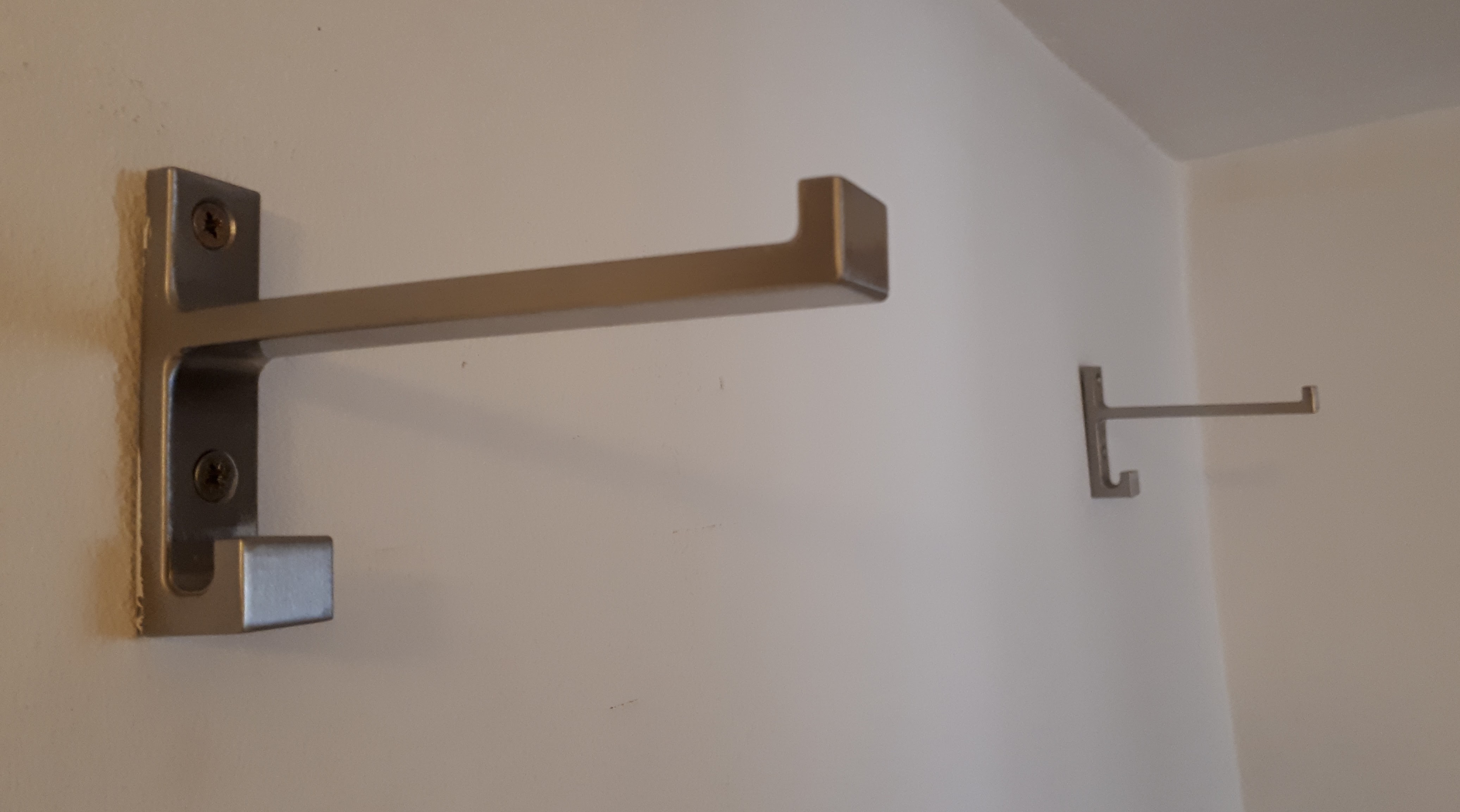
To start, you'll need a few essential tools and materials, including a shelf, shelf supports, a drill, a level, and a stud finder. For example, you can find more information on shelf supports and their types on Shelf Support pages, which provide detailed explanations of L-shaped shelf supports, cabinet shelf supports, and wardrobe shelf supports.
🔧 Step 1: Plan and Prepare
In Step 1, plan and prepare by deciding on the shelf's location, taking into account the surrounding environment and the items that will be placed on the shelf. Consider the height, spacing, and alignment of the shelf, and make sure to choose a location that is easily accessible. You can use a level to ensure the shelf is straight and a stud finder to locate the wall studs.
⚙️ Step 2: Measure and Mark the Wall
In Step 2, measure and mark the wall where you want to install the shelf supports. Use a pencil to mark the spot, and then use a level to ensure the mark is straight. This step requires attention to detail and precise movement.
🎯 Step 3: Drill Pilot Holes and Install Shelf Supports
In Step 3, drill pilot holes and install the shelf supports. Use a drill bit that is slightly smaller than the screw, and drill slowly and carefully to avoid damaging the wall. Then, insert the shelf support into the pilot hole and screw it into place. Motor control theory is relevant to this step, as it requires precise movements.
✅ Step 4: Hang the Shelf and Secure it
In Step 4, hang the shelf and secure it to the wall. Place the shelf onto the shelf supports, and then screw it into place. Make sure the shelf is level and secure, and then add any decorative touches, such as trim or molding.
🚀 Step 5: Add Decorative Touches and Final Check
In Step 5, add decorative touches and perform a final check. Make sure the shelf is level, secure, and evenly spaced, and then add any decorative items, such as pictures or vases. Occupational therapy techniques and sensory integration therapy can be used to improve fine motor skills, which are essential for this step.
⚠️ Common Mistakes & How to Avoid Them
Common mistakes to avoid include drilling into a stud, using the wrong type of shelf support, and not leveling the shelf. To avoid these mistakes, make sure to use a stud finder, choose the right type of shelf support, and use a level to ensure the shelf is straight. You can find more information on common mistakes and how to avoid them on the Common Mistakes in Hanging a Shelf page.
💡 Pro Tips & Advanced Techniques
The expected results of hanging a shelf include a sturdy and secure shelf that can hold a variety of items. A level is a tool used to ensure the shelf is straight, and a stud finder is a tool used to locate wall studs.
Section 9
Pro tips and advanced techniques for hanging a shelf include using a laser level and decorative shelf supports. You can find more information on pro tips and advanced techniques on the Pro Tips and Advanced Techniques for Hanging a Shelf page.
Key Facts
- Year
- 2020
- Origin
- United States
- Category
- development
- Type
- concept
- Format
- how-to
Frequently Asked Questions
What are the benefits of hanging a shelf?
The benefits of hanging a shelf include a sense of accomplishment and can be a fun and rewarding DIY project. For more information on the benefits of hanging a shelf, visit the Benefits of Hanging a Shelf page.
What are the common mistakes to avoid when hanging a shelf?
Common mistakes to avoid when hanging a shelf include drilling into a stud, using the wrong type of shelf support, and not leveling the shelf. To avoid these mistakes, make sure to use a stud finder, choose the right type of shelf support, and use a level to ensure the shelf is straight. You can find more information on common mistakes and how to avoid them on the Common Mistakes in Hanging a Shelf page.
What are the expected results of hanging a shelf?
The expected results of hanging a shelf include a sturdy and secure shelf that can hold a variety of items. A level is a tool used to ensure the shelf is straight, and a stud finder is a tool used to locate wall studs.
What tools are used to hang a shelf?
A level and a stud finder are tools used to hang a shelf. A level is used to ensure the shelf is straight, and a stud finder is used to locate wall studs.